Are Baking Soda and Vinegar Safe for Septic Systems?
Baking soda in ordinary household amounts is generally considered safe for a septic system, and a little white vinegar for a drain is usually fine too. Neither one removes sludge or fixes a septic smell at its source, and neither takes the place of pumping. Treat them as occasional helpers, not tank care.
Some links on this page are affiliate links: if you buy through them, we may earn a commission at no extra cost to you. Details
In this guide
Is baking soda safe for septic systems?
Baking soda (sodium bicarbonate) is generally considered safe for a septic tank in small household amounts. A cup or less washed down a drain now and then is the usual limit.
It’s mildly alkaline, and the water flowing into your tank every day dilutes it quickly. Cooking, laundry and deodorizing uses all stay well within that range.
Large, repeated doses aren’t needed. They add sodium to the system with no clear benefit.
If your system has had problems, or a septic professional has given you other advice, follow that advice first.
Are baking soda and vinegar together safe for a septic tank?
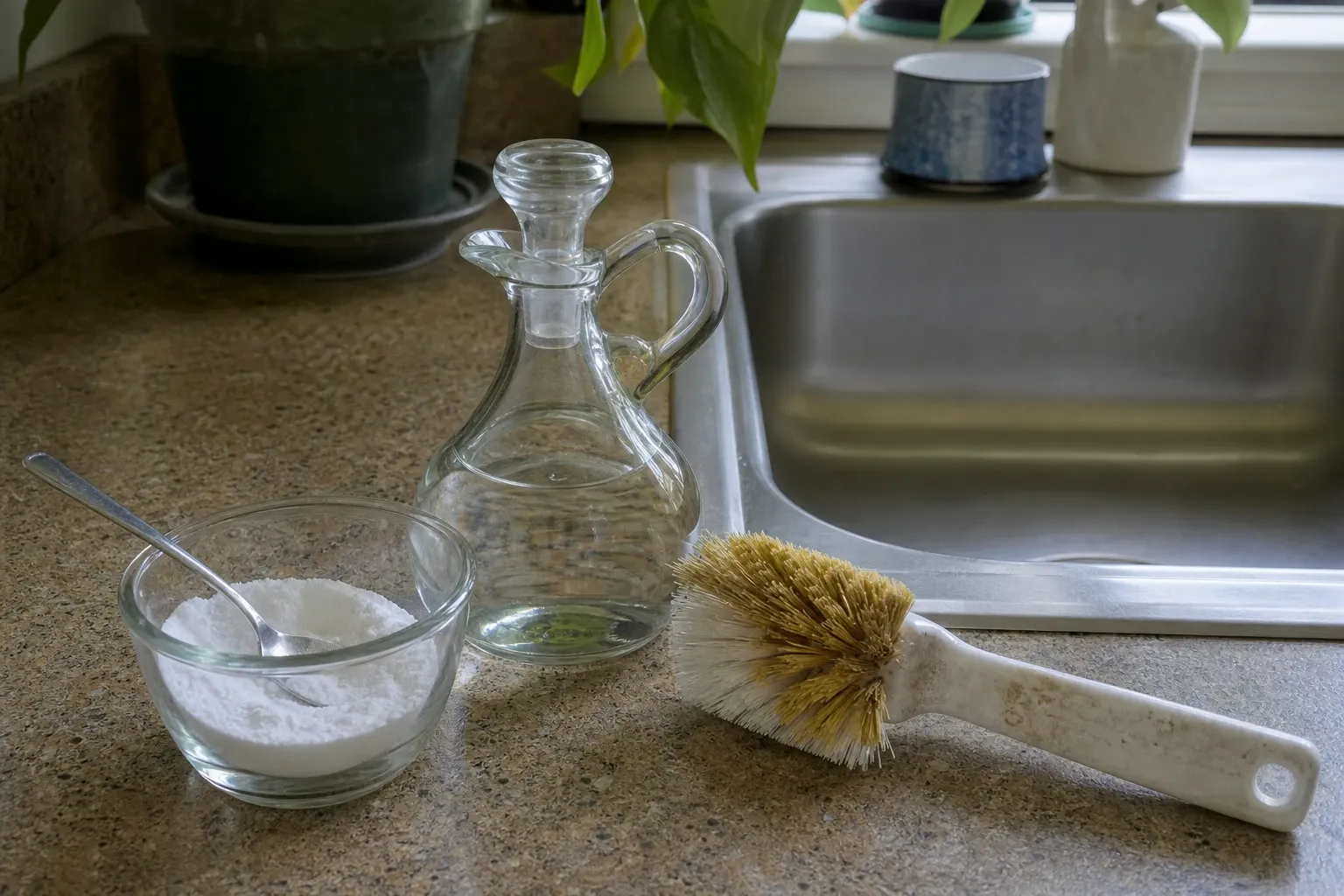
Baking soda and vinegar together are generally fine for a septic tank when used occasionally and in small amounts. Think one drain, one cup of each, rinsed well.
What happens when they mix
Baking soda and vinegar fizz and mostly cancel each other out. What’s left is mainly water, sodium acetate (a salt) and carbon dioxide gas. Vinegar is a weak acid (acetic acid), so the mix is gentle by the time it reaches the tank.
How much is too much
The limit is about a cup of baking soda followed by a cup of vinegar, then a rinse with hot tap water. Do that occasionally, not daily.
A few ground rules:
- Use plain white household vinegar only.
- Don’t pour gallons of vinegar. It adds acid and extra volume the tank doesn’t need.
- Never combine either one with bleach or a commercial drain cleaner. Mixing chemicals can release harmful fumes.
Quick tip: If a drain stays slow after one try, stop and look for the cause instead of repeating it.
Quick reference
| Item | Safe amount for a septic system | Notes |
|---|---|---|
| Baking soda | About a cup or less, occasionally | Also fine in normal laundry scoops |
| White vinegar | About a cup, occasionally | Never gallons |
| Baking soda plus vinegar | One cup of each, then a hot water rinse | One drain at a time |
| Bleach or drain cleaner | Never mix with either | Can release harmful fumes |
What can baking soda and vinegar not do for your tank?
Baking soda and vinegar can’t clean out a septic tank. They’re drain helpers, and the tank’s real job happens beyond the pipe.
- Sludge and scum: They don’t break down or remove these layers. Only septic pumping removes solids.
- Smell: They don’t fix an odor coming from the tank, the vents or the drain field (the buried area where treated water soaks into the soil).
- Clogs and failures: They don’t repair a blocked main line, a full tank or a failing drain field.
- Bacteria: Claims that they boost the bacteria in your tank (septic bacteria) aren’t backed by good evidence that we could find.
A deodorizing fizz may mask a smell for a short while. The cause is still there.
For more on odors, see our guide to septic tank smell inside the house.
When should you call a septic professional instead?
Call a licensed septic professional when you see signs of trouble beyond one slow drain. Baking soda and vinegar aren’t the next step for these.
- Slow drains throughout the house, gurgling pipes or backups
- Sewage odor indoors or in the yard
- Wet, spongy or unusually green ground over the drain field
- An alarm going off, if your system has one
- No pumping record in the last three to five years, or you’re not sure when the tank was last pumped
If you have a private well, odors or wet ground near it call for a septic professional or your local health department. Keep children and pets away from wet or soggy ground until it’s checked.
What helps between pumpings instead?
Regular pumping on the schedule a professional recommends is what helps most. The EPA says a typical system should be inspected about every 3 years and pumped every 3 to 5 years. The right timing depends on your tank size and how many people live in the house. A septic professional measures the sludge and scum layers and decides when to pump.
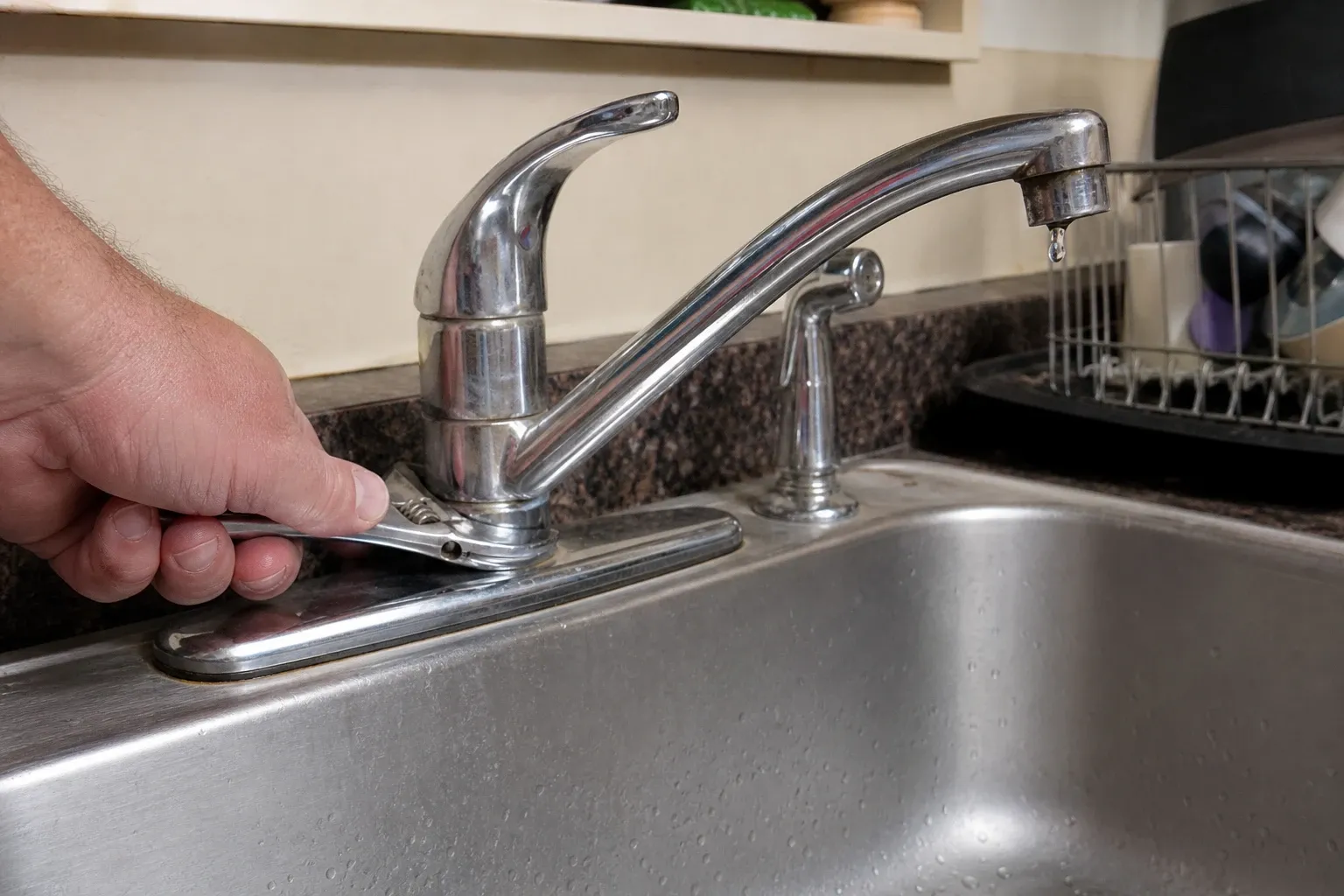
Day to day, these habits matter more than any fizz, and the EPA’s SepticSmart homeowner tips cover more of them:
- Spread laundry across the week instead of doing it all on one day.
- Fix dripping taps and running toilets.
- Keep grease, wipes and chemicals out of the drains.
- Check labels with our list of cleaners that are safe for septic systems.
Some owners also add septic treatments, such as live-bacteria or oxygen-releasing tablets. Septifix is one example. The maker says its tablets support the tank’s natural bacteria, and the maker hasn’t published independent test results. Any treatment is optional and doesn’t replace pumping or inspection.
Where does this fit with natural septic treatments?
Baking soda and vinegar are one small part of the home-remedy picture. Our guide to natural septic tank treatment covers what other remedies can and can’t do.
For the bigger routine, read septic tank maintenance. If you’re new to how the parts work together, septic system basics is a good place to start.
Common questions
Can I use baking soda in the washing machine with a septic system?
Yes, a normal scoop of baking soda in a laundry load is generally fine for a septic system. The wash water dilutes it. Spread loads across the week so the tank isn’t hit with a lot of water at once.
Is vinegar bad for septic bacteria?
Small amounts of white vinegar used for a drain are generally fine, since the tank dilutes them. Gallons of it are a different matter because they add acid and extra water. Keep vinegar well away from bleach and drain cleaners.
How often can I put baking soda down the drain?
Occasionally is the safe answer, such as when a drain smells stale. There’s no set schedule, and daily use isn’t needed. If a drain keeps slowing down or smelling, have a septic professional look for the cause.