Septic Tank Additives: A Buyer's Guide
Pick a septic tank additive that names its ingredient type (bacteria, enzymes or oxygen-releasing), prints clear dosing directions, avoids harsh chemicals and has a written refund policy. Tablets suit an easy monthly routine, while liquids and powders suit people who want a bigger dose. Skip anything that hides its ingredients. No additive replaces regular pumping and inspection.
Some links on this page are affiliate links: if you buy through them, we may earn a commission at no extra cost to you. Details
In this guide
- Quick verdict
- Which septic tank additive should you buy? Quick picks by need
- Bacteria, enzymes, oxygen-releasing or chemical: what is in the bottle?
- Septic additive comparison: liquid vs powder vs tablet
- Buyer’s checklist: 8 questions to ask before you buy any additive
- How do you add bacteria to a septic tank, and can you add too much?
- What else harms your tank: Dawn dish soap, bleach and habits that matter more
- Who should skip the monthly tablet, and what to buy instead
- Where this fits in septic tank treatments
- The best septic tank additive for most readers
Quick verdict
The best septic tank additive for most homeowners is one with a stated ingredient type, simple dosing and a written refund policy. Say you’re standing in a Walmart aisle, or scrolling Amazon, looking at a dozen jugs and boxes. Here’s how to narrow it down.
- Want a set-and-forget monthly routine? Pick a flush-in tablet with a stated bacteria count and a refund window.
- Want a bigger single dose by tank size? A liquid with printed gallon-based dosing fits.
- Want bacteria plus named enzymes? Look for a blend that lists its enzyme types.
- Already have a back-up or soggy yard? Skip additives for now and call a licensed septic pro.
- Every pick: keep up regular pumping and inspection.
Which septic tank additive should you buy? Quick picks by need
The right septic tank additive depends on five things: ingredient type, form, how often you dose, refund terms and price per month. We ranked options on those points.
Our top pick: Septifix. It’s a monthly flush-in tablet, not a liquid or powder, which makes it the easy all-round choice.
- One tablet a month after a 3-tablet start, per the maker’s directions.
- The maker states a bacteria count: over 10 billion per gram across 14 strains of live aerobic bacteria.
- A 60-day money-back guarantee, and a bundle price of $147 for 18 months.
Check the current Septifix bundle prices and the 60-day refund terms on the official site.
Check Septifix on the official site60-day money-back guarantee
- Best liquid by tank size: Roebic K-37. Gallon-based dosing, sold at hardware stores and Amazon.
- Best for listed enzymes: Earthworm Septic Waste Eliminator. Names lipase and cellulase enzymes.
Best for monthly low-effort dosing
A monthly tablet like Septifix is the easiest routine, because you flush one and you’re done. There’s nothing to measure or pour.
Best for a vacation home or seasonal use
For vacation homes, a tablet or a measured liquid both work, so pick by how you’ll remember it. A tablet on a calendar reminder is simple; a liquid lets you dose when you arrive for the season. Follow each label’s restart directions after the house sits empty.
Best to skip
Skip chemical additives and any product that won’t say what’s in it. That includes harsh products built on hydrogen peroxide, sulfuric acid or formaldehyde-style chemicals, plus anything that won’t name what’s inside.
Bacteria, enzymes, oxygen-releasing or chemical: what is in the bottle?
Septic tank additives fall into four main types, and the label should tell you which one you’re buying. Quick refresher: your tank separates waste into sludge (heavy solids on the bottom), scum (grease and light stuff on top) and effluent (the liquid that flows out to the drain field). Our septic system basics guide covers this in more depth.
Bacterial additives (aerobic and anaerobic)
Bacterial additives add live microbes that makers say help break down waste. Anaerobic bacteria live without oxygen and already fill a normal tank. Aerobic bacteria need oxygen, so check which kind a product lists and whether it brings its own oxygen source.
Enzyme additives
Enzyme additives use proteins that makers say speed up breaking down specific materials. Lipase targets fats and grease; cellulase targets paper. Good labels name the enzymes.
Oxygen-releasing tablets
Oxygen-releasing tablets release oxygen in the tank to support aerobic bacteria. Makers usually pitch them for odour control, since oxygen can react with the gas behind the rotten-egg smell (hydrogen sulfide).
Chemical additives to avoid
Harsh chemical additives can kill the good bacteria your tank depends on and may harm the drain field. Steer clear of strong acids, caustic drain products and formaldehyde-style treatments. Also be wary of any label that says only “proprietary blend” with no organisms or active ingredients named.
Septic additive comparison: liquid vs powder vs tablet
Septifix, Roebic K-37 and Earthworm Septic Waste Eliminator differ most in form, dosing clarity and refund terms. Here’s how they line up on facts each maker publishes.
| Product | Format | What’s in it | Price | Guarantee |
|---|---|---|---|---|
| Septifix | 55 g flush-in tablet; 3 to start, then 1 per month | Live aerobic bacteria (14 strains), oxygen-releasing compound, sodium carbonate, pH regulators | $69 for 6 months (plus shipping); $118 for 12 months; $147 for 18 months (free shipping) | 60-day money-back |
| Roebic K-37 | Liquid (32 oz, 64 oz) or 12 oz granular | ROETECH bacteria | Not set by maker; 32 oz seen at about $11 to $20 at retailers | No money-back stated; retailer return policy |
| Earthworm Septic Waste Eliminator | Not stated | Bacterial cultures, lipase and cellulase enzymes | $44.95 per product; size and dose not stated | Not stated; check the seller |
Only Septifix publishes a full monthly dose with prices by months of supply. That works out to about $11.50 a month on the 6-month pack ($69 ÷ 6), $9.83 on 12 months ($118 ÷ 12) and about $8.17 on 18 months ($147 ÷ 18). The others don’t publish enough to work out a monthly cost.
The maker of Septifix says its tablets release oxygen that helps remove smells and that the bacteria feed on paper, oils and grease. The maker hasn’t published independent test results for Septifix. It’s sold only on the vendor’s site through ClickBank, a payment and order platform, so you won’t find it at Walmart, Home Depot or Lowe’s.
What about store brands? Walmart’s Great Value line, Home Depot and Lowe’s shelves, and Amazon listings mostly carry liquids, powders and pods, often bacteria or bacteria-enzyme blends. Ridex (often written Rid-X) is the best-known of these; see our Rid-X vs Green Gobbler comparison for how the big store brands stack up. Judge any of them on the same checklist below.
If a monthly tablet fits your routine, the 18-month bundle is the lowest price per month.
Septifix
A monthly oxygen-releasing tablet with live aerobic bacteria, sold direct. It’s the simplest routine here, with the clearest price and refund terms.
Pros
- Flush one tablet a month
- Stated bacteria count and 14 strains, per the maker
- 60-day money-back guarantee; one-time charges, the vendor says no rebilling
- Free shipping on 12- and 18-month packs
Cons
- Highest single-pack price at $69, plus shipping
- No full ingredient list
- Buy only from the official site
For ingredients and cost in detail, read our Septifix review.
Check Septifix on the official site60-day money-back guarantee
Roebic K-37
A bacteria-based liquid or granular treatment sized by tank. Roebic says 32 oz treats a 500-gallon tank and 64 oz treats 1,000 gallons.
Pros
- Easy to find at hardware stores and Amazon
- Clear dosing by tank size
- Low shelf price on the quart
Cons
- No maker money-back guarantee
- Made for conventional, non-aerated systems, per Roebic
Earthworm Septic Waste Eliminator
A bacteria-and-enzyme blend from Clean Earth Brands. It names lipase and cellulase enzymes.
Pros
- Named enzyme types
- Free US shipping
Cons
- Size, quantity and dose not stated
- Refund terms not stated; check the seller
Buyer’s checklist: 8 questions to ask before you buy any additive
Any septic tank additive worth buying should pass these eight questions before you pay.
- Are the ingredients listed, and is it bacteria, enzymes or oxygen-releasing?
- Are dosing directions clear, with tank size and frequency stated?
- Is it right for your system type and tank size, such as a conventional tank, an aerobic unit or a 1,000-litre tank?
- Is the price per month clear, including any subscription or one-year supply terms?
- Is there a written refund guarantee, with its length and how to claim?
- Does the seller give a real contact and ship from a named company?
- Does it avoid claims of replacing pumping or fixing a failed drain field?
- Does the label warn about what not to flush?
Quick tip: Screenshot the refund terms and your order confirmation the day you buy.
Septifix states its monthly dose, its prices and a 60-day refund you request through the vendor’s footer contact links. Read those terms yourself on the vendor page before buying.
Check Septifix on the official site60-day money-back guarantee
How do you add bacteria to a septic tank, and can you add too much?
You add bacteria to a septic tank by flushing tablets or powder down the toilet or pouring liquid as the label directs. It takes about a minute.
Step-by-step dosing
Dosing a septic additive comes down to following the label. For a tablet, drop it in the toilet and flush. For a liquid or powder, measure by your tank size and pour or flush it. Many people dose at night, when little water runs.
How often to repeat
Most septic additives use a starter dose, then a smaller maintenance dose. Septifix’s maker says 3 tablets to start, then 1 a month. Liquids like Roebic K-37 scale by gallons, so check your tank size on your pumping records.
Overdosing
Overdosing a biological additive generally just wastes money. Stick to the label amount.
What else harms your tank: Dawn dish soap, bleach and habits that matter more
Everyday habits affect your septic tank more than any additive does. Dawn dish soap in normal kitchen amounts is generally fine. Large amounts of bleach, drain cleaners and antibacterial products can upset the bacteria.
- Spread laundry over the week instead of doing many loads back to back.
- Keep wipes, even “flushable” ones, out of the toilet.
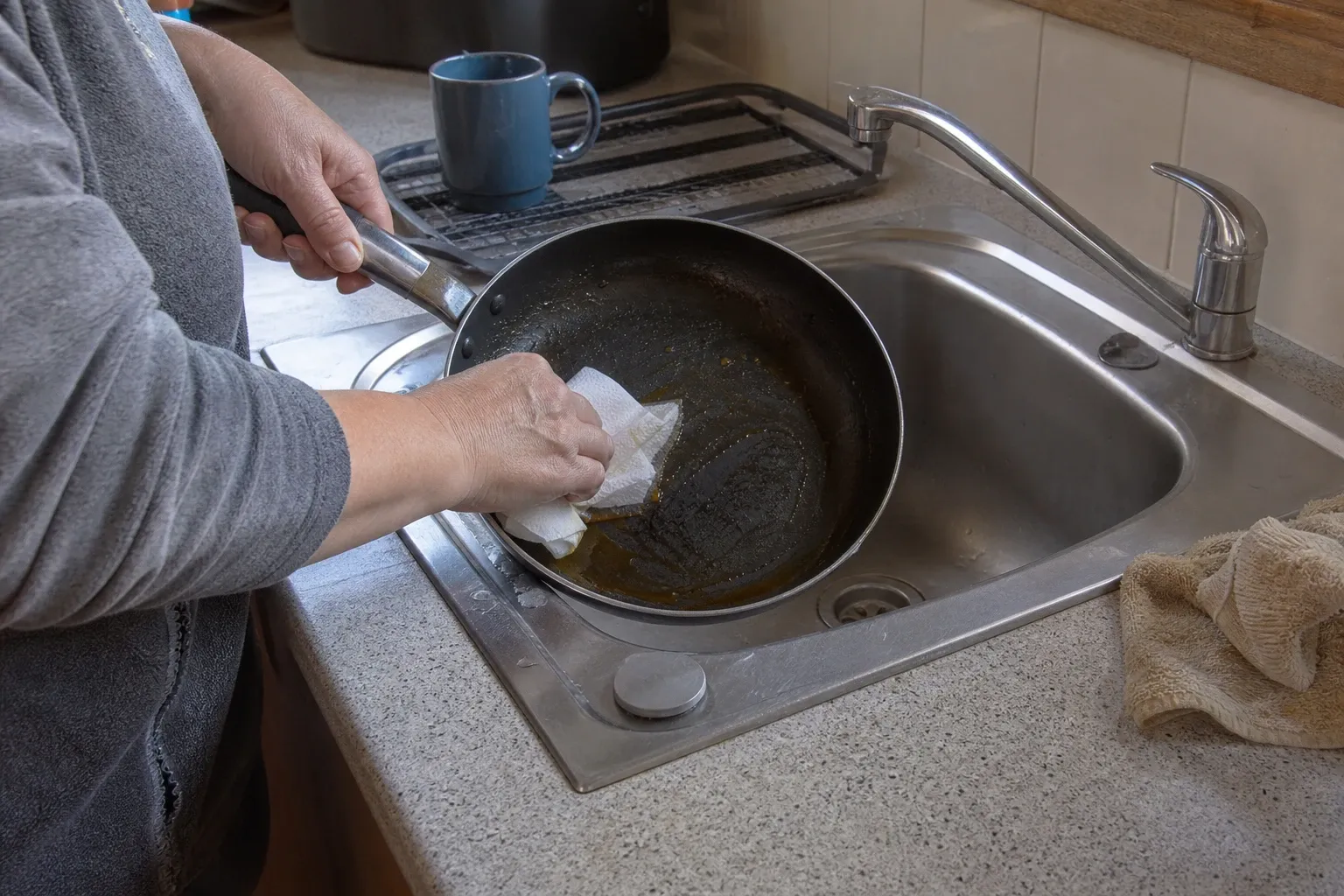
- Wipe grease from pans into the trash.
- Keep cars and heavy equipment off the drain field.
Regular pumping and inspection still matter, and no additive replaces them. A typical pump-out often runs a few hundred dollars, depending on your area and tank size.
How long a 1,000-litre tank goes between pumpings depends on household size and use, so ask a local pumper for your interval. With good care, the tank itself can last for decades.
Who should skip the monthly tablet, and what to buy instead
A monthly tablet like Septifix isn’t the right buy if your system is already failing. Think of it as one optional maintenance step, not a repair.
Who it’s not for / what it can’t do
- Back-ups, gurgling drains or wet spots in the yard: call a licensed septic pro first.
- Overdue pumping: book a pump-out; a tablet doesn’t replace it.
- Broken parts: no additive fixes a cracked tank, a crushed pipe or a failed drain field.
- Want to treat twice a year: Roebic K-37 liquid, a whole bottle every six months sized to your tank, fits better.
- Want named enzymes: a bacteria-enzyme blend like Earthworm suits you.
Outside the US, in places like New Zealand, the UK or Australia, check local product rules and whether the product ships to you before ordering. Wondering whether you need an additive at all? Our guide on whether septic treatments work covers that.
Where this fits in septic tank treatments
Septic tank additives are one slice of the wider treatment shelf. Our septic tank treatment guide compares every type side by side, from tablets to liquids and pods. If thick sludge is your worry, see our page on the best septic tank sludge dissolver for what to expect.
The best septic tank additive for most readers
Septifix is our pick for most readers who want an easy monthly routine. It wins on our stated criteria: a one-tablet-a-month dose, a stated bacteria count, a 60-day money-back guarantee and an 18-month bundle at about $8.17 a month. If you’d rather grab a liquid off a hardware store shelf, Roebic K-37 is the simple alternative. Either way, keep your pumping schedule and call a pro at the first sign of a back-up.
See the current Septifix offer and refund terms on the official site.
Check Septifix on the official site60-day money-back guarantee
Common questions
Are septic tank additives worth the price?
A septic tank additive is worth it only if it fits your routine and budget alongside regular pumping. Compare cost per month and check for a written refund policy. Pumping and inspections remain the core of septic care, with an additive as an optional extra.
Can I use an additive with an aerobic treatment unit?
Some septic additives are made only for conventional, non-aerated tanks, so read the label before using one in an aerobic treatment unit. Aerobic units have pumps and air systems with their own service needs. Ask the company that services your unit before adding any product.
How long before a septic additive starts working?
No one can promise a timeline for a septic additive, because results depend on tank size, sludge level, water use and the product. Makers’ timing claims are their own. If a smell or slow drain keeps going, have a licensed septic professional inspect the system.