Septic Tank Maintenance: A Practical Guide for Homeowners
Septic tank maintenance comes down to four habits: pump the tank every 3 to 5 years, have it inspected every 1 to 3 years, spread out your water use, and keep grease, wipes and harsh chemicals out of the drains. Protect the drainfield and keep records. Additives are optional.
Some links on this page are affiliate links: if you buy through them, we may earn a commission at no extra cost to you. Details
Septifix: Monthly flush-in septic tank tablets that the maker says release oxygen and add live aerobic bacteria.
Check Septifix on the official site60-day money-back guarantee
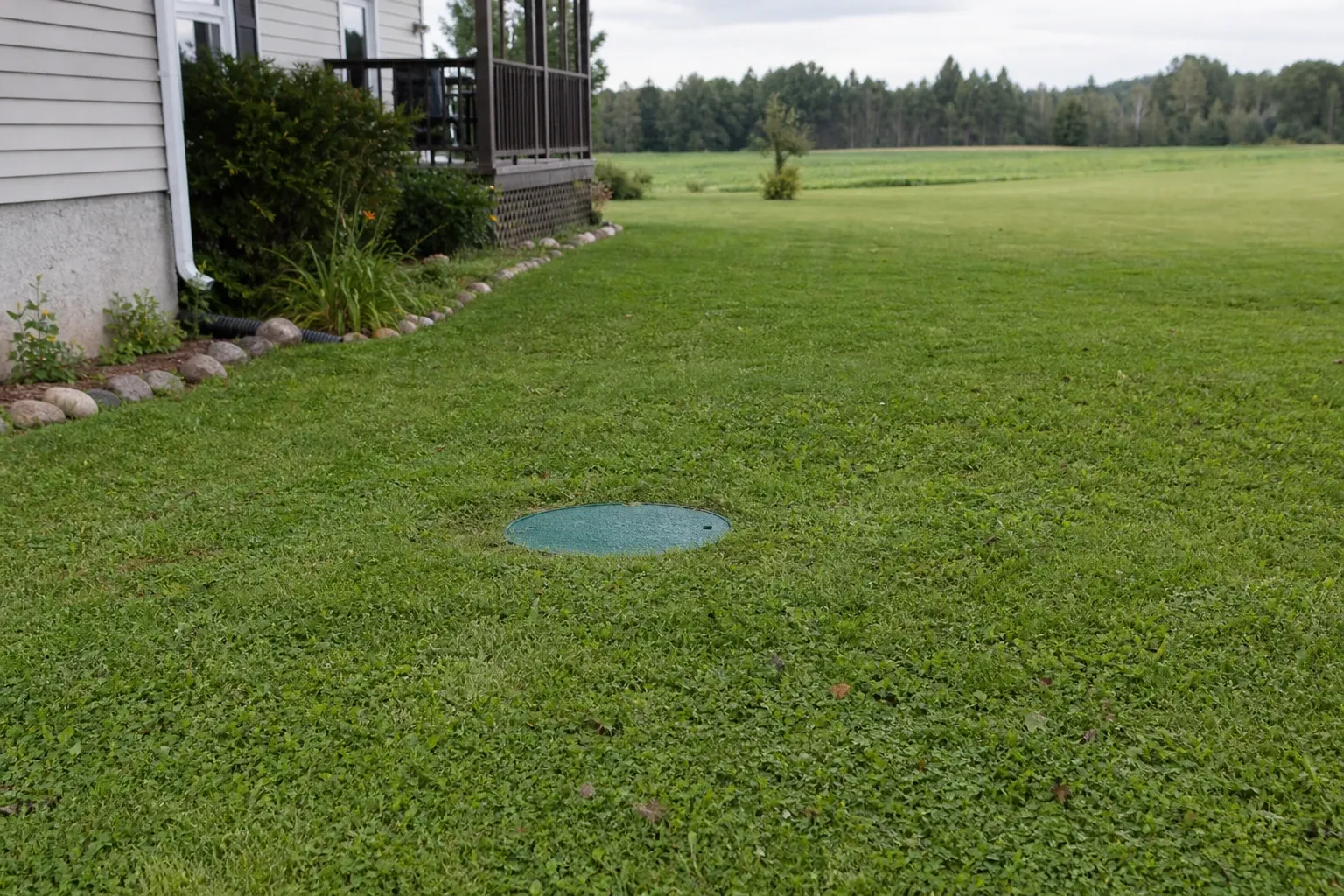
In this guide
- What does a septic tank need between pumpings?
- How often should a septic tank be pumped?
- What can go down the drain, and is dish soap okay?
- How does water use affect your septic system?
- How do you protect the drainfield?
- Are septic systems expensive to maintain?
- Do septic tank additives and treatments help?
- Where does this fit in the bigger septic picture?
What does a septic tank need between pumpings?
A septic tank needs regular pumping, inspections, steady water use, careful flushing, a protected drainfield and written records. Picture a jar of muddy water left on the counter. Heavy bits sink, grease floats, and clearer water sits in the middle. Your tank works the same way.
The short checklist
The core septic tank maintenance routine fits on one list.
- Pump the tank every 3 to 5 years.
- Have it inspected every 1 to 3 years.
- Spread out laundry and fix leaks.
- Keep wipes, grease and chemicals out of drains.
- Keep cars and deep-rooted trees off the drainfield.
- Write down every pumping, repair and inspection.
How the tank, baffles and drainfield work together
The tank holds wastewater long enough for solids to settle as sludge (the heavy layer on the bottom) while grease rises as scum (the crust on top). A baffle is a wall or pipe fitting at the tank’s inlet and outlet. It slows incoming flow and keeps scum from leaving. The clear middle water flows out to the drainfield, also called the leach field, where soil finishes the cleaning.
How often should a septic tank be pumped?
Most septic tanks need pumping every 3 to 5 years, and pumping frequency shifts with how many people live in the home and how big the tank is.
| Household | Tank size | Typical pumping range |
|---|---|---|
| 2 people | 1,000 gallons | Toward 5 years |
| 4 people | 1,000 gallons | Toward 3 years |
| 4+ people, disposal | 1,000 gallons | Often under 3 years; ask a pro |
These are rules of thumb. A septic professional measures the sludge and scum layers and decides when to pump.
Factors that set your schedule
Tank size, household size, garbage disposal use and total water volume decide how fast solids pile up. A small tank with a big family fills fastest. A disposal adds food solids, so it shortens the interval.
Can a septic tank go 20 years without being pumped?
Some tanks go 20 years without pumping and seem fine, but it’s a gamble. Solids keep building until they can reach the outlet and clog the drainfield, which is a costly repair. Pumping is far cheaper.
How long do you have to clean out a septic tank?
There’s no fixed deadline, but 3 to 5 years is the usual window. A septic inspection every 1 to 3 years checks sludge and scum layers, baffles and leaks, so you know when yours is due. Our septic tank maintenance schedule lays it out year by year.
What can go down the drain, and is dish soap okay?
Normal amounts of mild dish soap are generally fine for a septic tank. Heavy, constant use of strong bleach or antibacterial cleaners is the bigger worry.
Never flush list
These items don’t belong in your septic system:
- Wipes, even ones labeled flushable
- Grease and cooking oil
- Coffee grounds
- Feminine products
- Paint and solvents
- Medicines
- Cat litter
Stick with plain, septic-friendly toilet paper.
Dish soap, bleach and cleaners
A few drops of mild soap in the sink won’t hurt. Pouring bleach down drains all day might. See which cleaners are safe for septic systems for specifics.
Grease, wipes and the garbage disposal
Grease cools and hardens into scum, and wipes don’t break down. A garbage disposal sends extra solids into the tank. Scrape plates into the trash instead.
Quick tip: Keep a jar by the stove for cooking grease, then toss it in the trash.
How does water use affect your septic system?
Too much water at once pushes solids toward the drainfield, so steady, lower water use protects a septic system. Water conservation is one of the easiest ways to help your tank, and EPA’s SepticSmart tips cover more everyday habits.
Spread out laundry
Spread laundry over the week instead of doing five loads on Saturday. Plan ahead for holidays and visitors, when water use jumps.
Fix leaks and use efficient fixtures
A running toilet can waste hundreds of gallons a day. A quick leak inspection of toilets, faucets and pipes catches this early. Fix leaks, and consider a high-efficiency toilet and ENERGY STAR appliances when it’s time to replace them.
How do you protect the drainfield?
You protect the drainfield by keeping weight, roots and extra water off it. A drainfield is the most expensive part to replace, and good care is what makes it last.
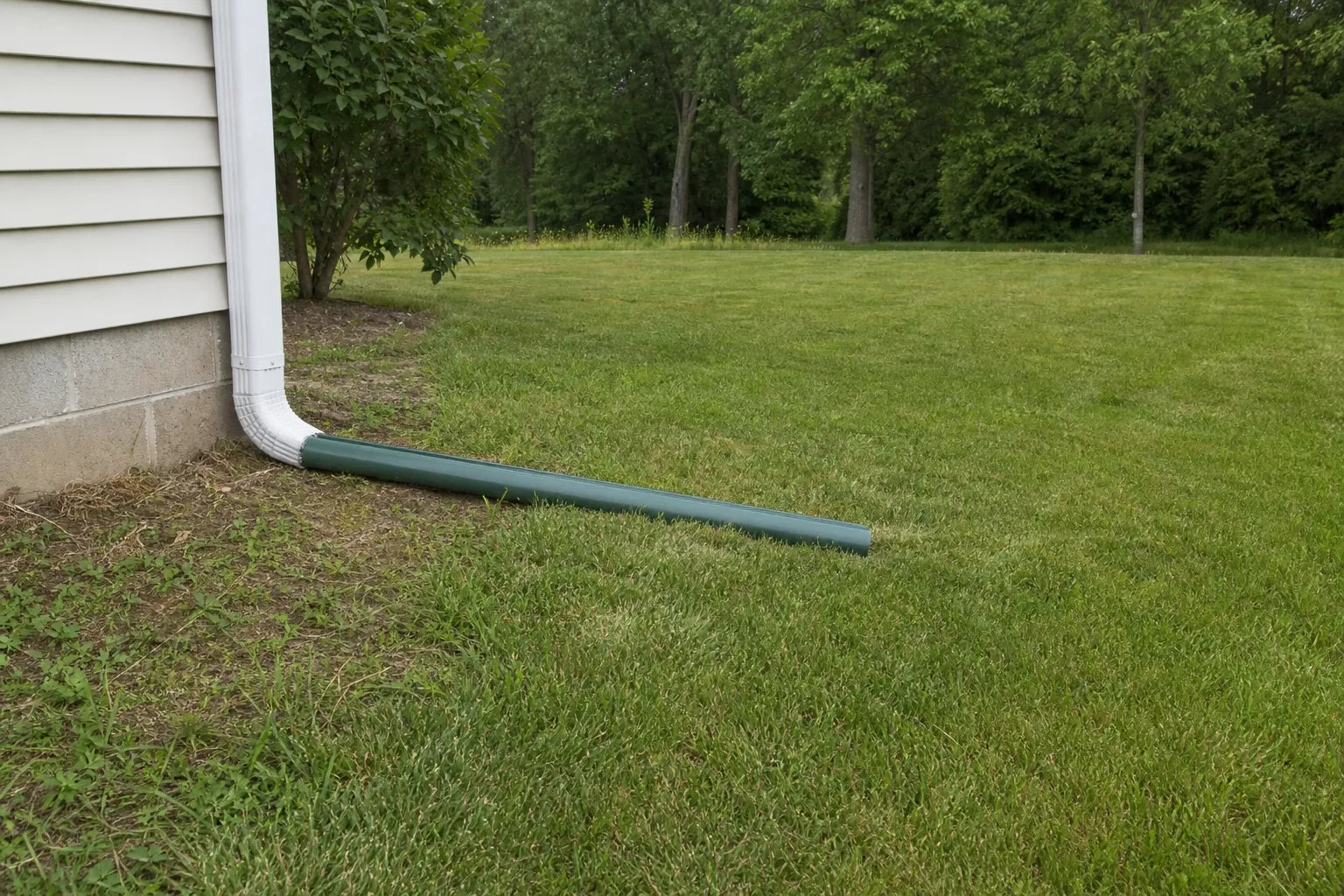
What to keep off it
No vehicles, sheds or deep-rooted trees. Point downspouts and sump pump outlets away. For more, see our drain field maintenance guide.
DIY checks between visits
Look for soggy or unusually green patches, slow drains, gurgling and odors. Keep your tank lids marked and accessible. Sewage backup means call a septic professional right away, not an additive. Keep maintenance records of pumping, repairs and inspections, and hand them to your septic pro at each visit.
Are septic systems expensive to maintain?
Routine septic care costs modest money spread over the years, while drainfield repair or replacement costs far more. Prices vary by region, so get local quotes from a qualified provider.
Typical annual cost picture
Divide your pump-out cost by the years between pumpings, then add inspection. For example, a $400 pump-out every 4 years works out to $100 a year. That figure is only an illustration, not a quote.
| Item | How to figure it |
|---|---|
| Pump-out | Local quote ÷ years between pumpings |
| Inspection | Local quote ÷ years between visits |
| Total | Add the two |
Repair versus replacement
A tank can last decades if well kept. Replacing a drainfield is the big bill upkeep helps you avoid.
Do septic tank additives and treatments help?
Septic tank additives are optional extras, and they never replace pumping or inspections.
What the maker says versus what is proven
A healthy tank already grows its own bacteria. Septifix is a monthly tablet with oxygen-releasing compounds and live aerobic bacteria. The maker says it helps control odors. The maker hasn’t published independent test results for Septifix. Treat any product promising to end pumping with caution.
Who might consider one
If you already pump on schedule, inspect and watch your water, a tablet is a small add-on some owners consider. Check local rules first. Price per the maker: $69 for a 6 month supply (plus shipping), $118 for 12 months, $147 for 18 months, with a 60-day money-back guarantee. We may earn a commission if you buy through our link.
Compare options in our guide to septic tank treatment types.
Check the current Septifix offer and the 60-day refund terms on the official site.
Check Septifix on the official site60-day money-back guarantee
Where does this fit in the bigger septic picture?
Septic tank maintenance is the foundation of everything in septic system basics, from smells to treatments. Pumping, water habits and careful flushing come first. Treatments sit on top, if at all.
For a year-by-year plan, use the septic tank maintenance schedule. If you’re weighing products, start with the septic tank treatment comparison.
More guides in Maintenance
Common questions
How much does it cost to pump a septic tank?
Pump-out prices vary by region, tank size and access, so get quotes from a few local septic companies. Ask what’s included, such as an inspection of baffles. Dividing the price by the years between pumpings gives you a yearly figure to budget.
What are the signs my septic tank is full?
Common signs include slow drains, gurgling pipes, sewage odors, soggy ground over the drainfield and, in the worst case, sewage backup in the house. If you see these, call a licensed septic professional rather than reaching for an additive.
Does a septic tank need maintenance if I have no problems?
Yes. A tank can look fine while solids build up inside. Regular pumping and an inspection every 1 to 3 years catch problems early, before a clogged drainfield turns a small bill into a large one.