Septic Tank Sludge Dissolvers: What They Can and Cannot Do
No product removes the sludge layer that builds up in a septic tank. The tank's own bacteria break down some waste, but solids still build up; pumping removes them, and a septic professional measures the sludge and scum layers and decides when to pump. A monthly treatment is optional upkeep for a system that is working. Our pick for an easy monthly routine between pumpings is Septifix, a flush-once-a-month tablet with a stated bacteria count, a 60-day refund window and an 18-month bundle at $147.
Some links on this page are affiliate links: if you buy through them, we may earn a commission at no extra cost to you. Details
In this guide
- Quick answer: can any product dissolve septic sludge?
- Do septic tank additives actually work?
- Septic treatments compared: type, dose and cost
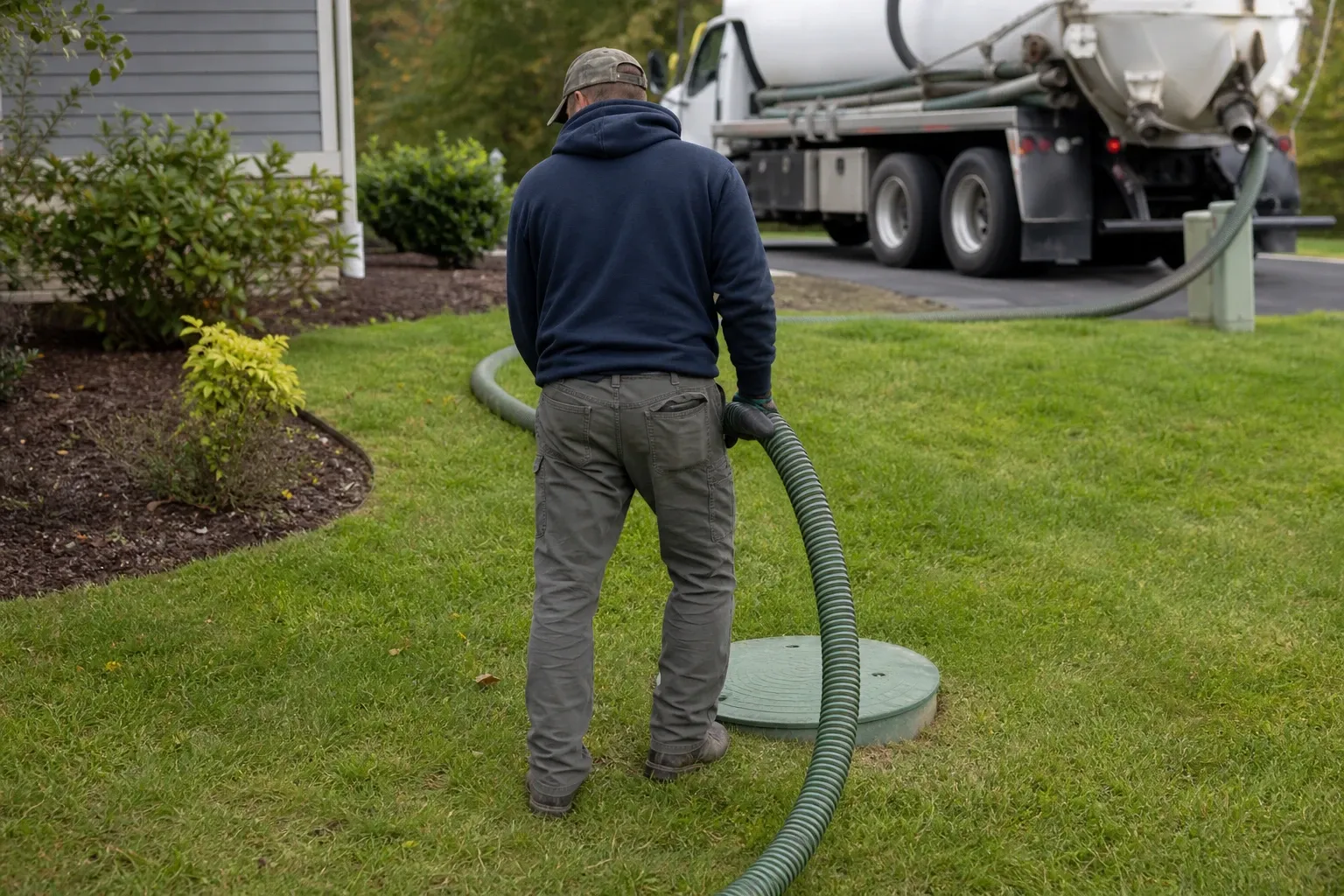
- Why pumping, not a dissolver, removes sludge
- What results can you expect?
- Is it safe to use vinegar, dish soap or toilet cleaner with a septic tank?
- Is an oxygen-releasing aerobic tablet worth trying?
- Where this fits in your septic care
Quick answer: can any product dissolve septic sludge?
No product removes the sludge layer. The bacteria already in your tank break down some waste, but solids still build up, and pumping is what removes them. A septic professional measures the sludge and scum layers and decides when your tank needs pumping.
If you don’t know when your tank was last pumped or inspected, book an inspection first. Then decide whether a monthly treatment fits your routine.
We compared products by four plain criteria: stated purpose, live bacteria versus enzymes only, monthly cost, and how easy the dose is.
Our pick for an easy monthly routine: Septifix
- It’s a flush-and-forget tablet: 3 to start, then 1 a month.
- The maker states a bacteria count: over 10 billion per gram, across 14 strains of live aerobic bacteria.
- It comes with a 60-day money-back refund window, and the 18-month bundle is $147 with free shipping.
See the current Septifix bundles and the 60-day refund terms on the official site.
Check Septifix on the official site60-day money-back guarantee
What Septifix is for
Septifix is meant for simple monthly upkeep. The maker says its bacteria feed on toilet paper, oils, grease and soaps.
Grease and kitchen drains
If grease and oil are your main worry, wiping pans before washing them does more than any product can. Keep fats out of the drain in the first place.
When to skip additives and call a pro
Skip additives and call a licensed septic pro first if you have any warning signs:
- Back-ups
- Slow drains all over the house
- Gurgling pipes
- Soggy ground over the tank or drain field (the buried pipes and soil that clean the liquid leaving the tank)
- A sewage smell
A monthly product is optional upkeep for a system that is working, not a fix for one that isn’t.
Do septic tank additives actually work?
Whatever treatment you choose, regular pumping is still needed to manage sludge. A monthly product works alongside that routine, not in place of it. Makers say beneficial bacteria and enzymes (proteins that speed up breakdown) help digest paper, grease and solids. Septifix hasn’t published test results showing it reduces sludge depth, so buy it for easy upkeep rather than sludge removal.
For a fuller routine, our guide to septic tank maintenance between pumpings covers water use, what not to flush and inspection timing.
Septic treatments compared: type, dose and cost
Septic treatments differ mainly in format, what’s inside and how clearly the maker states price and dose. Here’s how they line up.
| Product | Format | What’s in it | Price per month | Refund terms |
|---|---|---|---|---|
| Septifix | Tablet, flushed monthly | Live aerobic bacteria (14 strains), oxygen-releasing compound, sodium carbonate, pH regulators | $147 ÷ 18 months = about $8.17 per month of supply (18-month bundle); $69 ÷ 6 = $11.50 (6-month) | 60-day money back |
| Rid-X powder | Powder, once a month | Wheat bran, amylase, cellulase and protease enzymes, bacteria spore blend (maker’s label) | About $3.60 to $5.60 (49 oz, a 5-month supply, about $18 to $28 at retailers) | None stated; retailer’s policy |
| Green Gobbler Industrial Septic Saver Pods | Flushable pod, 1 a month | Natural digestive bacteria that produce enzymes | About $4.50 ($17.99 for a 4-month supply) | 30-day money back |
| Roebic K-37 liquid | Whole bottle every 6 months, sized to the tank (32 oz for 500 gal, 64 oz for 1,000 gal) | ROETECH bacteria blend, per the maker | About $1.80 to $3.30 for a 500-gallon tank (two 32 oz bottles a year at about $11 to $20 each, October 2026) | No money-back guarantee stated; retailer’s policy |
How to read the table
The price column only shows a monthly figure where the maker states both supply length and dose. Septifix sells its packs as 6, 12 and 18 months of supply, so the sum is simple. Where a cell says not stated, check the seller’s page before you buy.
Aerobic bacteria tablets vs liquid enzymes vs powders
The format mostly changes convenience. Liquids pour, powders get scooped, and tablets need no measuring at all. Anaerobic bacteria live without oxygen and do most of the work in a normal tank. Aerobic bacteria need oxygen, which is why Septifix pairs them with an oxygen-releasing compound, the maker says.
Septifix
A monthly flushed tablet with live aerobic bacteria and an oxygen-releasing compound. The maker says it helps break down paper and grease and cuts odors.
Pros
- One tablet a month, no measuring
- Stated bacteria count and strain number
- 60-day money-back refund window
- Free shipping on 12- and 18-month packs; vendor says no rebilling
Cons
- No full ingredient list
- 6-month pack adds shipping
- Sold only on the vendor’s site via ClickBank
If a simple monthly routine sounds right, check today’s Septifix bundle prices on the official site.
Check Septifix on the official site60-day money-back guarantee
Rid-X, Green Gobbler and Roebic K-37
Rid-X powder is a monthly enzyme-and-bacteria treatment at about $3.60 to $5.60 a month, with no money-back guarantee stated; its Septi-Pacs and liquid are separate products with their own labels. Green Gobbler Industrial Septic Saver Pods are one flushable bacteria pod a month, at about $4.50 a month, with a 30-day money-back window. Roebic K-37 liquid goes in as a whole bottle every six months (the granules every three months), sized to your tank, which makes it the lowest yearly cost here for a 500-gallon tank; Roebic doesn’t set a retail price. See them side by side in Rid-X vs Green Gobbler and Roebic K-37 vs Septifix.
Quick checklist for choosing
- Don’t know when the tank was last pumped or inspected? Book an inspection first.
- Any warning signs? Call a licensed septic pro, not a product.
- Want no measuring? Choose a tablet.
- Compare cost per month only where dose and supply are stated.
- Want a refund window? Read the purchase terms before buying.
Why pumping, not a dissolver, removes sludge
Pumping removes sludge because much of what settles in a tank can’t be digested by any bacteria. Sand, lint and some solids just pile up.
Scum, effluent and sludge layers
A septic tank holds three layers. The scum layer of fats and grease floats on top. The effluent layer, the fairly clear middle liquid, flows out to the drain field. Sludge, the heavy solids, settles on the bottom, a bit like coffee grounds in a cup.
When to pump
A septic professional measures the sludge and scum layers to decide when your tank needs pumping. The EPA advises an inspection about every 3 years and pumping typically every 3 to 5 years. If you don’t know when your tank was last pumped or inspected, book an inspection.
Skipping pumping lets solids wash into the drain field, where they cause clogs, backups and eventually failure.
What results can you expect?
Any result from a monthly treatment should be seen as gradual and not guaranteed. Makers often describe changes over weeks of steady dosing.
Warning signs come first
If you have back-ups, slow drains all over the house, gurgling, soggy ground or a sewage smell, don’t add product. Call a licensed septic pro first. A monthly product is optional upkeep for a system that is working.
Safety notes for handling bacterial treatments
Treat any septic product like a household cleaner:
- Wear gloves and wash your hands afterward.
- Keep it away from children and pets.
- Store it dry and sealed.
- Follow the label dose.
Is it safe to use vinegar, dish soap or toilet cleaner with a septic tank?
Everyday cleaners, dish soap and a splash of vinegar are generally fine in normal household amounts, and none of them will dissolve sludge. Heavy or harsh use, like repeated bleach or in-tank drop-ins, is the real risk. See our guides to which cleaners are safe for septic systems and baking soda and vinegar in septic systems.
Is an oxygen-releasing aerobic tablet worth trying?
Septifix, an oxygen-releasing aerobic tablet, is our pick for an easy monthly routine between pumpings.
What the maker says it does
The maker says each tablet releases oxygen that reacts with hydrogen sulfide to cut smells, and that its live aerobic bacteria feed on toilet paper, oils, grease and soaps. Sodium carbonate, the maker says, helps bring wastewater to a neutral pH.
Price, refund terms and who should skip it
It’s sold direct by the vendor via ClickBank: $69 for 6 months plus shipping, $118 for 12 months, or $147 for 18 months with free shipping. The purchase terms include a 60-day money-back refund window. The vendor’s written policy counts the 60 days from purchase, asks you to send back all boxes, even empty ones, at your own cost, and takes shipping and handling off the refund. Skip it if your tank is overdue, you have warning signs, or you want sludge removal.
For the bigger picture, read our guide on whether septic tank treatments work.
Check the current Septifix offer and the 60-day refund terms on the official site.
Check Septifix on the official site60-day money-back guarantee
Where this fits in your septic care
Sludge dissolvers are one slice of the wider treatment choice. To see every type side by side, including enzymes, bacteria and oxygen tablets, start with septic tank treatments compared by type. Before buying anything, our guide to septic tank additives explains what to check on a label, and the full Septifix review covers ingredients and cost in more depth. New to owning a tank? Our septic system basics hub walks through care, smells and treatments.
Your best next step is simple: find your last pump-out and inspection dates. If you don’t know them, book an inspection with a licensed septic pro.
Common questions
How often should I pump my septic tank?
The EPA advises an inspection about every 3 years and pumping typically every 3 to 5 years. A licensed septic pro measures the sludge and scum layers and tells you when yours is due, so ask for those depths at every visit.
Can too many septic additives harm a tank?
Using more additive than the label says won’t speed anything up and wastes money. Some harsh chemical additives can stir up solids that then flow to the drain field. Stick to one product at the stated dose, and never use additives in place of regular pumping and inspections.
Does baking yeast help a septic tank?
Baking yeast is a common home remedy, but it won’t remove sludge. If you have smells or slow drains, book an inspection rather than relying on kitchen remedies.