Septic Tank Treatment Pods: Are They Worth It?
Septic tank treatment pods give your tank a tidy, premeasured monthly dose of bacteria and enzymes with no measuring or mess. When you compare them, look at format, tank size, supply length, cost per month and the guarantee. Green Gobbler is the cheapest pod listed here. No additive replaces pumping.
Some links on this page are affiliate links: if you buy through them, we may earn a commission at no extra cost to you. Details
In this guide
- Quick verdict
- Are septic tank treatment pods worth it?
- Pods vs tablets vs liquids: which format suits you?
- Septic treatment comparison: price, supply and fit
- What do pods claim to do, and how far can you trust it?
- Do pods work with every septic system?
- Signs you need pumping, not a pod
- Is Ridex or dish soap safe for septic tanks?
- Which treatment should you choose?
- Where pods fit among other septic treatments
- So, should you buy septic tank treatment pods?
Quick verdict
Septic tank treatment pods are the easiest way to keep a monthly dosing routine, and Green Gobbler is the clearest pod pick on price and label facts.
- Want the cheapest pod: Green Gobbler Industrial Septic Saver Pods, $17.99 for a 4-month supply, which works out to about $4.50 a month ($17.99 ÷ 4).
- Want a powder or drop-in pack from the store: Rid-X, sold almost everywhere, with monthly sizes.
- Want a tablet instead of a pod: an oxygen-releasing aerobic tablet is another format to consider.
- Want the simplest routine: pick any one-a-month pod and set a reminder.
Things to check on any label:
- The tank size one dose covers.
- How many months the pack lasts.
- The guarantee, and how long it runs.
- Whether it lists what’s inside.
Are septic tank treatment pods worth it?
Septic tank treatment pods are worth it if you want a no-fuss way to add bacteria and enzymes on a set schedule. Your tank already grows its own bacteria from everyday waste, and the pod tops that up with a measured dose.
Pods are especially handy if you have:
- Heavy water use or a big household
- Lots of fats, oils and grease going down the sink
- Someone on antibiotics, or regular use of harsh cleaners
- A seasonal cabin that sits unused for months
The big draw is convenience: one premeasured dose, once a month, with nothing to pour or measure.
Claims about odor control and fewer clogs and backups come from the makers. Regular pumping and inspection is the maintenance that keeps a system working. Our septic system basics guide explains how the tank does its job.
Pods vs tablets vs liquids: which format suits you?
The best format is the one you’ll actually use every month, because pods, tablets and liquids mostly differ in handling, not in the basic idea.
Pods
Pods are premeasured doses in a dissolving wrapper that you flush once a month. They’re tidy and hard to overdose. Most combine bacteria and enzymes (proteins that help break waste into smaller bits).
Tablets
Tablets are solid doses you drop in the toilet, and some release oxygen along with live aerobic bacteria (bacteria that need oxygen). They store well and are easy to count. Our septic tank tablets comparison covers that format in depth.
Liquids
Liquids are poured down the toilet, so dosing is flexible but can get messy. A gallon jug takes shelf space, and you measure each dose yourself.
Quick tip: Set a phone reminder for the same day each month. Missed doses are the most common way any format falls short.
Septic treatment comparison: price, supply and fit
Green Gobbler has the lowest clear monthly cost among the products here, but tank size and guarantee details vary a lot. Here’s how they stack up on what each maker publishes.
| Product | Format | Price and pack | Cost per month | Tank size stated | Guarantee |
|---|---|---|---|---|---|
| Green Gobbler Industrial Septic Saver Pods | Pod | $17.99, 4-month supply | About $4.50 | Not stated | 30-day money back |
| Rid-X (Septi-Pac or powder, alternative format) | Pack or powder | Powder about $7-10 per 1-month box at retail | About $7-10 (powder) | Not stated | Not stated; retailer’s policy |
| Septifix (tablet, not a pod) | 55 g tablet | $69 (6 months) to $147 (18 months) | About $8.17 on 18 months | Not stated | 60-day money back |
| EcoStrong (liquid, not a pod) | 1-gallon liquid | $29.97; currently sold out | Dose not stated | Not stated | 60-day money back |
Cost per month across formats and brands
Green Gobbler costs about $4.50 a month ($17.99 ÷ 4 months). Septifix’s 18-month plan works out to about $8.17 a month ($147 ÷ 18), and its 12-month plan is about $9.83 ($118 ÷ 12), not counting the 3-tablet start-up. Rid-X powder runs about $7 to $10 a month at retail. EcoStrong doesn’t state a monthly dose, so its monthly cost can’t be worked out.
Green Gobbler septic pods
Green Gobbler is the most searched pod brand, and it’s a cheap, simple monthly pod. The maker says its natural bacteria break down toilet paper, fats, oils, grease, proteins, sugars and starches, and that it can be used in cesspools and drain and leach fields.
Pros
- Low cost per month
- One pod a month, easy routine
- 30-day money-back guarantee
Cons
- No tank size listed on its page
- Shortest guarantee of the group
- Only a short ingredient description
Other pod and tablet brands to know
Other pods are worth a look if you have a large tank. In a roundup, GreenPig pods are listed for tanks up to 1,500 gallons with one pod every 3 months, while Cabin Obsession sells 12 monthly doses for a 1,000-gallon tank, a 1-year supply. ACTIVE, Walex Bio-Active, Bio-Clean and Instant Power also sell septic treatments; check their labels for tank size and pack length before you buy.
If you’d rather try a tablet with a longer refund window, Septifix offers 60 days.
Check the current Septifix bundle prices and 60-day refund terms on the official site.
Check Septifix on the official site60-day money-back guarantee
What do pods claim to do, and how far can you trust it?
Septic tank treatment pods claim to digest waste and control odor. Makers say the bacteria and enzymes break down paper, fats, oils and grease, prevent clogs and backups, and keep smells down. Many labels add biodegradable and made-in-USA claims, so check the box if buying American-made matters to you.
For a closer look at results, see our guide on whether septic tank treatment works.
One clear plus: biological pods are far gentler than chemical drain openers, which can kill the helpful bacteria in your tank. If you have a slow drain, a pod is the kinder choice over a harsh chemical, though a real clog may still need a plumber.
Do pods work with every septic system?
Septic tank treatment pods suit most conventional tanks, but the label decides, so check it against your system. Look at:
- Tank size compatibility: big tanks or busy homes may need two doses a month on some brands.
- System type: aerobic systems (which pump air into the tank) can have their own care rules. Ask your service provider first.
- Drain field: additives aren’t a fix for a soggy or failing drain field (also called a leach field), the area where treated water soaks into the soil.
- Cesspools and older systems: some makers, like Green Gobbler, list cesspools. Others don’t, so read the label.
Once you’ve confirmed the fit, stick to monthly use: flush one dose a month, ideally at night when water won’t be running for a few hours.
Signs you need pumping, not a pod
These warning signs call for a licensed septic pro, not a pod:
- Drains that stay slow across the house
- Gurgling toilets or pipes
- Sewage smell indoors or in the yard
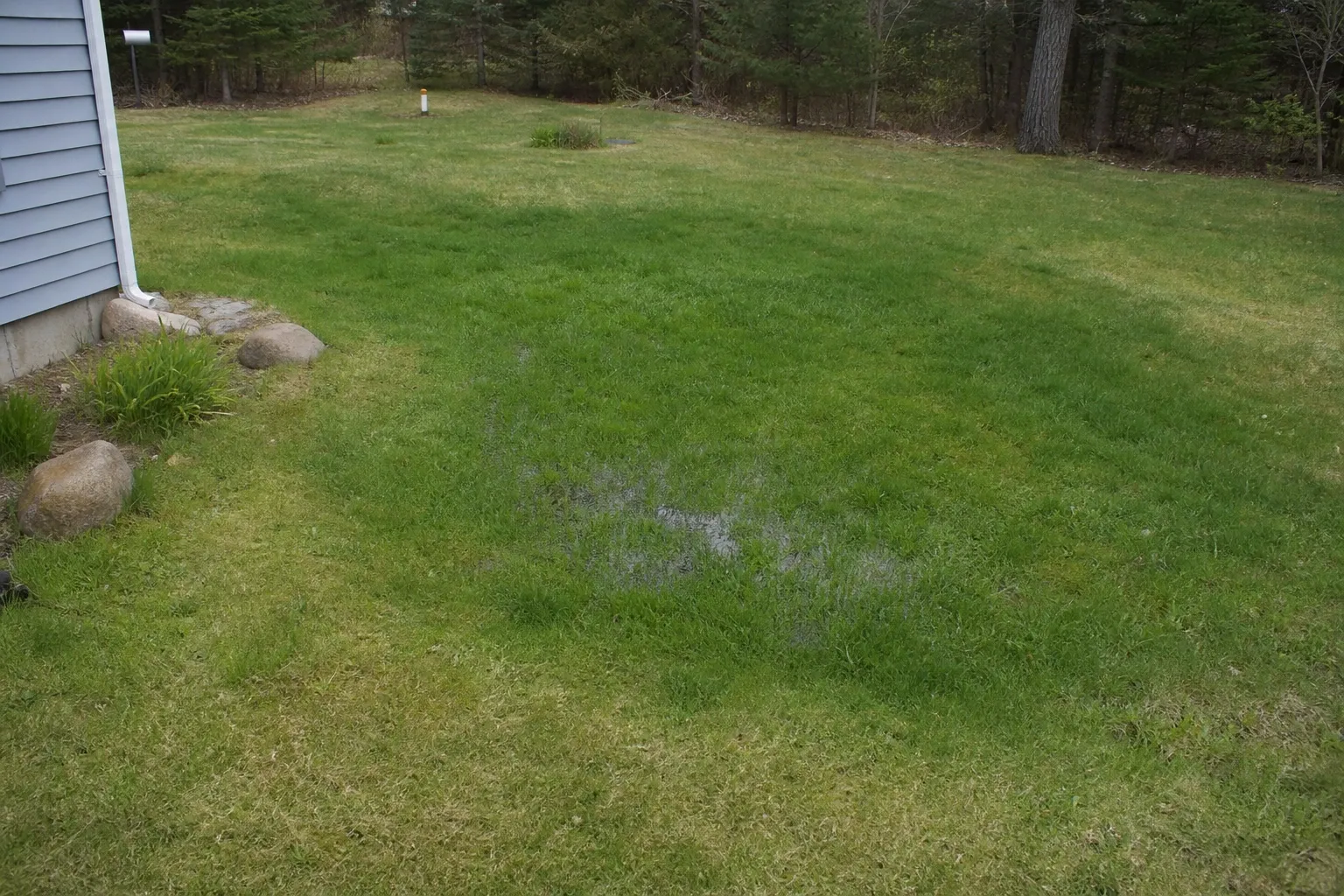
- Wet, spongy or extra-green patches over the drain field
- Sewage backing up into tubs or floor drains
Most tanks need pumping every 3 to 5 years, depending on tank size and how many people live in the home. Pumping often runs a few hundred dollars, which is far less than drain field repair. A backup is a job for a professional right away. Stop using water as much as you can and call.
What a pod can’t do
- It doesn’t replace regular pumping and inspection.
- It won’t fix a broken tank, a crushed pipe or a failed drain field.
- It won’t clear a backup already in progress.
Is Ridex or dish soap safe for septic tanks?
Ridex (sold as Rid-X) is a septic additive that’s fine for some homes, and normal amounts of dish soap are generally fine too. The maker says Rid-X breaks down paper, oils, grease and protein and helps prevent backups “along with occasional pumping.” Note that wording: even the maker pairs it with pumping.
Dish soap is okay in everyday amounts. Go easy on heavy doses, antibacterial soaps and bleach, which can cut down tank bacteria.
Good habits go hand in hand with any treatment: scrape grease into the trash, flush only toilet paper, spread out laundry loads and fix leaky toilets.
Which treatment should you choose?
Your choice comes down to how your household uses water and which format you like. Here’s a simple rule:
- Want the easiest routine: a one-a-month pod is hard to get wrong.
- Heavy use or lots of grease: a monthly pod like Green Gobbler is a low-cost add-on.
- Seasonal or rarely used home: any monthly dose can help keep a routine; restart it when you return.
- Prefer a tablet: an oxygen-releasing tablet is an option.
Septifix is 55 gram tablets with live aerobic bacteria, flushed down the toilet: 3 to start, then 1 a month. The maker says the oxygen helps remove smells and the bacteria feed on paper, oils and grease. It’s sold only on the vendor’s site through ClickBank, with one-time charges and a 60-day money-back guarantee. Read our Septifix review for the full details. We may earn a commission if you buy, at no extra cost to you.
Compare the Septifix 6-, 12- and 18-month bundles on the official site.
Check Septifix on the official site60-day money-back guarantee
- Checklist before buying: tank size covered, months per pack, cost per month, guarantee length, and buy only from the official seller.
Where pods fit among other septic treatments
Pods are one format in a wider family of septic additives. If you’re weighing powders, enzymes, liquids and shock treatments side by side, our septic tank treatment guide by type lays them all out. For the tablet format specifically, the tablets comparison linked earlier goes deeper.
So, should you buy septic tank treatment pods?
Not sure additives help at all? Our guide on whether septic tank treatments work walks through it.
If you want a tidy, premeasured monthly dose with no measuring, a low-cost pod like Green Gobbler is a good fit, especially for busy or grease-heavy homes. If you’d prefer a tablet with a longer refund window, Septifix is the easier option for the same goal, with a 60-day guarantee.
See today’s Septifix prices and refund terms on the official site.
Check Septifix on the official site60-day money-back guarantee
Whatever you choose, keep your pumping date on the calendar, and call a licensed septic pro at the first sign of a backup.
Common questions
Can septic pods harm my septic tank?
Biological septic pods made of bacteria and enzymes are generally gentle on tanks and pipes, unlike harsh chemical drain openers. Pods don’t take the place of pumping, because sludge still builds up in the tank over time. Follow the label dose, and keep your regular pumping and inspection schedule with a licensed septic professional.
How long does a septic pod take to dissolve?
Most septic pods use a water-soluble wrapper that breaks down in the toilet bowl or pipes fairly quickly, though makers rarely publish an exact time. Flushing at night, when water won’t run for a few hours, gives the contents time to settle into the tank before more water comes through.
Can I use septic pods in a tank that is rarely used?
Yes, many owners of seasonal cabins use a monthly pod while the home is occupied, since less waste means fewer natural bacteria. Check the label for tank size. When you return after months away, restart the monthly routine and watch for slow drains or odors that mean a pro should look.